
Leading Tools And Materials For Residential Concrete Projects
Explore the essential products that help homeowners achieve durable and attractive concrete surfaces with confidence.
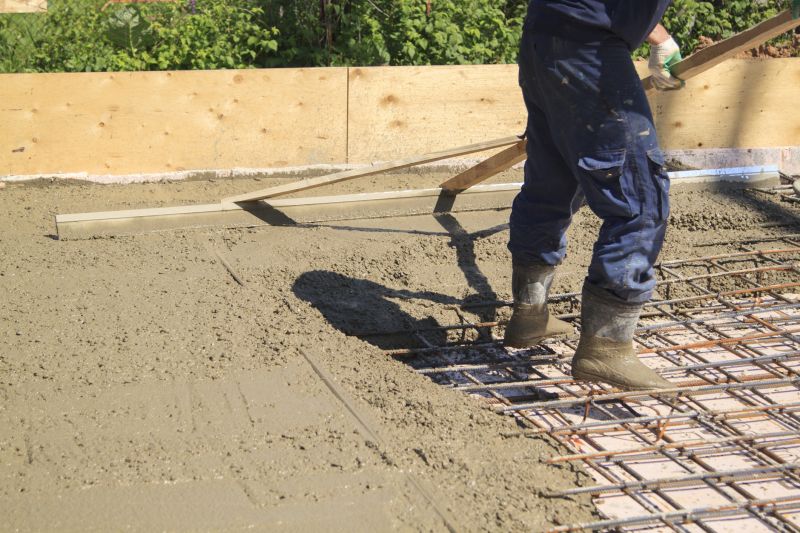 Residential concrete installations encompass a wide range of projects, from simple walkways to elaborate patios and driveways. Selecting the right products for these projects ensures durability, safety, and aesthetic appeal. The process begins with understanding the different types of materials and tools necessary for proper installation and maintenance. High-quality concrete mixes, surface finishes, and curing products are essential components that influence the longevity and appearance of the finished project.
Top Overall Option
Versatile Concrete Mix
A high-quality, versatile concrete mix is fundamental for residential projects, offering reliable workability and strength. It provides a solid foundation for various applications such as driveways, patios, and walkways, accommodating different finishing techniques and reinforcement options. Choosing a dependable mix ensures consistency and ease of use, making it suitable for both DIY enthusiasts and professional installers.
Types of Products For Residential Concrete Installations
Concrete Mixes
Pre-blended concrete mixes designed for easy pouring and setting in residential applications.
Form Liners and Molds
Reusable or disposable forms used to shape concrete into various patterns and textures.
Reinforcement Materials
Steel rebar, wire mesh, or fiber reinforcements that add strength to concrete structures.
Surface Finishing Tools
Tools such as trowels, floats, and edgers used to achieve smooth or textured finishes.
Concrete Sealers
Protective coatings that help prevent water infiltration and surface damage.
Colorants and Dyes
Products used to add decorative color to concrete surfaces.
Concrete Cleaners
Specialized cleaners for removing stains, dirt, and efflorescence from concrete surfaces.
Curing Compounds
Products that retain moisture during curing to enhance strength and durability.
Expansion Joints
Materials that allow for movement and prevent cracking in large concrete slabs.
Concrete Edging Tools
Tools used to create defined borders and decorative edges.
Concrete Repair Products
Patch and filler materials for fixing cracks and surface imperfections.
Vapor Barriers
Sheets placed beneath concrete slabs to prevent moisture migration.
Form Release Agents
Products that facilitate form removal and prevent sticking.
Decorative Aggregates
Chipped stones or other materials used to add texture and visual interest.
Concrete Anchors and Fasteners
Hardware used to secure fixtures and structures to concrete surfaces.
Popular Choices
Pre-mixed concrete bags suitable for small to medium residential projects.
Essential hand tools for achieving smooth finishes on concrete surfaces.
Easy-to-apply sealants that help protect concrete from stains and moisture.
Products used to add vibrant or subtle colors for decorative purposes.
Flexible materials that accommodate movement and prevent cracking.
Tools for creating clean, decorative borders around concrete slabs.
Tools such as brushes and stamps used to add decorative textures.
Protective layers applied to prevent water ingress in underground or exposed areas.
Specialized patching compounds for restoring damaged or cracked surfaces.
Products that facilitate easy removal of forms after concrete sets.
Additives mixed into concrete to improve crack resistance and durability.
Small stones used to create textured or decorative concrete surfaces.
Sheets installed beneath slabs to control moisture migration.
Coloring agents that provide a range of hues for decorative concrete.
Tools used to create control joints at precise intervals.
Coverings that help retain moisture during curing.
Wire used to secure reinforcement bars in place.
Products that delay surface setting to reveal decorative aggregate textures.
Proper preparation is key to successful concrete work. This involves selecting suitable forms, reinforcement options, and surface treatments. For decorative finishes, additional products such as stamps, dyes, and sealers can enhance visual appeal. Maintenance products like cleaners and sealants help preserve the concrete over time, preventing damage from weather and wear. Investing in reliable, well-suited products can make the difference between a project that lasts for years and one that requires frequent repairs.
Understanding the specific needs of residential projects can guide homeowners and contractors in choosing the appropriate products. Whether creating a new driveway, repairing a cracked patio, or adding decorative elements, the right materials and tools facilitate a smooth installation process. It is also important to consider ease of use, compatibility with existing surfaces, and the level of finish desired. With a broad selection of products available, informed choices can lead to satisfying and durable results.
Key Buying Considerations
- Type of project and specific application requirements
- Compatibility of products with existing surfaces or materials
- Desired aesthetic finish and decorative options
- Ease of use and installation for DIY projects or professional work
- Durability and resistance to weathering or wear
- Curing and sealing properties to enhance longevity
- Reinforcement compatibility and strength requirements
- Budget constraints and cost-effectiveness
- Availability of products in local or online stores
- Product safety and handling instructions
- Maintenance requirements and long-term care
- Environmental conditions of the installation site
- Size and quantity needed based on project scope
- Compatibility with reinforcement and reinforcement placement
- Ability to accommodate expansion and contraction movements