Best Timing for Residential Concrete Work
Residential concrete installations are most effectively completed during periods of moderate weather conditions. Optimal timing typically falls in the late spring and early fall when temperatures are neither too hot nor too cold. These conditions help ensure proper curing and reduce the risk of cracking or other issues caused by extreme weather.
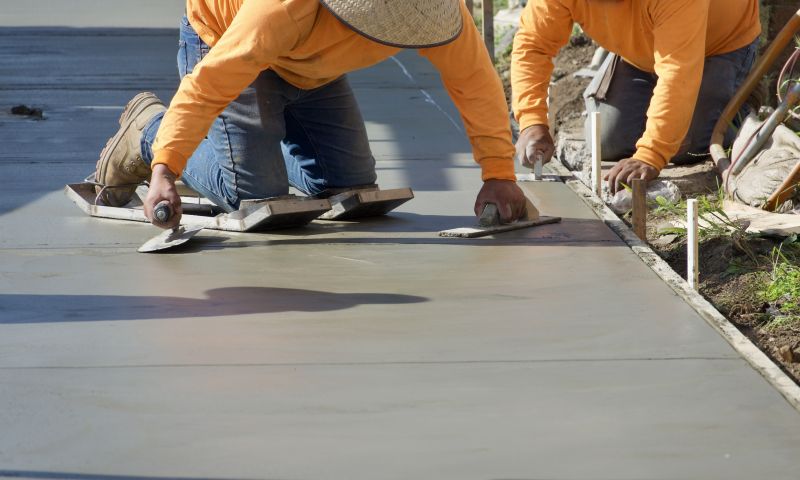
Spring and fall offer the best temperatures for concrete work, with temperatures ranging from 50°F to 85°F.
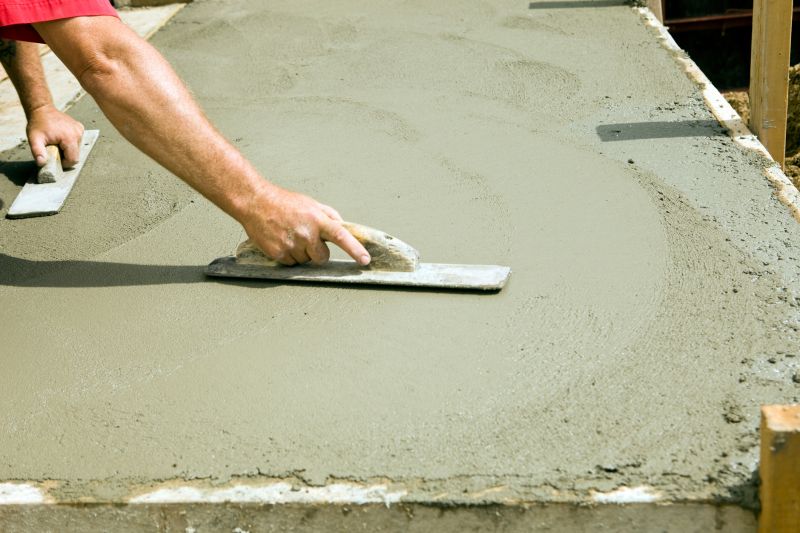
Avoid installations during heavy rain, extreme heat, or freezing temperatures, as these can compromise the curing process.
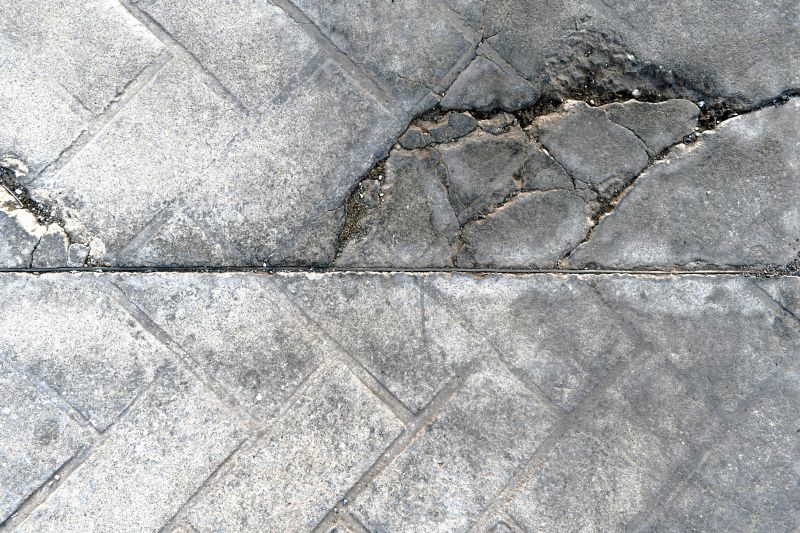
Proper curing requires consistent temperatures; fluctuations can lead to surface cracking or weak spots.
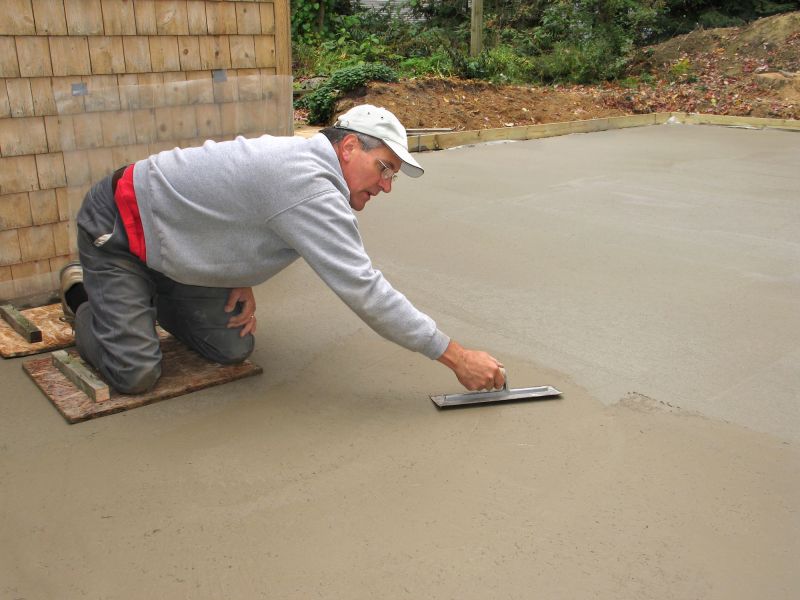
Scheduling concrete work during mild weather reduces delays and ensures a higher-quality finish.
| Season/Time Frame | Advantages |
|---|---|
| Spring | Optimal temperatures for curing, less rain |
| Fall | Cooler weather, less humidity |
| Late Summer | Longer daylight hours |
| Early Winter | Potential for early scheduling |
Residential concrete installations play a vital role in enhancing the functionality and aesthetic appeal of residential properties. They are commonly used for driveways, patios, walkways, and foundation work. Proper installation and timing can significantly impact the longevity and appearance of the finished surface. Concrete is a durable, cost-effective material that, when installed correctly during suitable weather conditions, provides decades of reliable service.
Ways to make Residential Concrete Installations work in tight or awkward layouts.
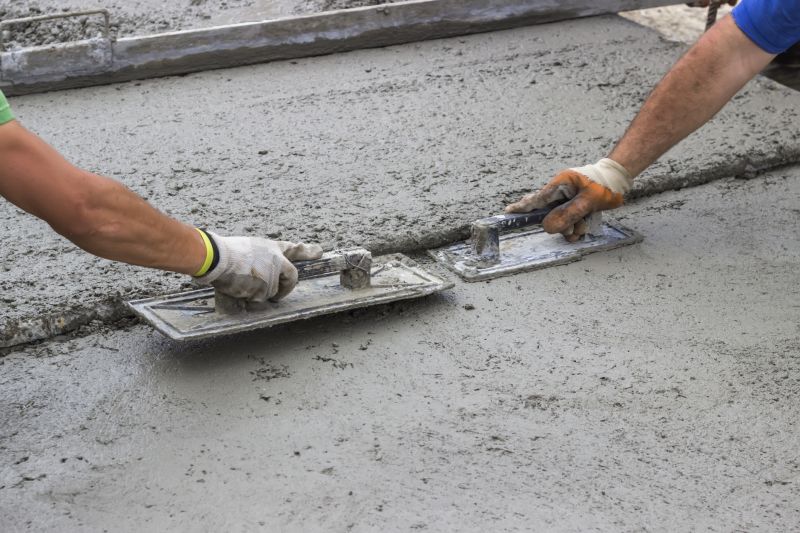
Popular materials for Residential Concrete Installations and why they hold up over time.
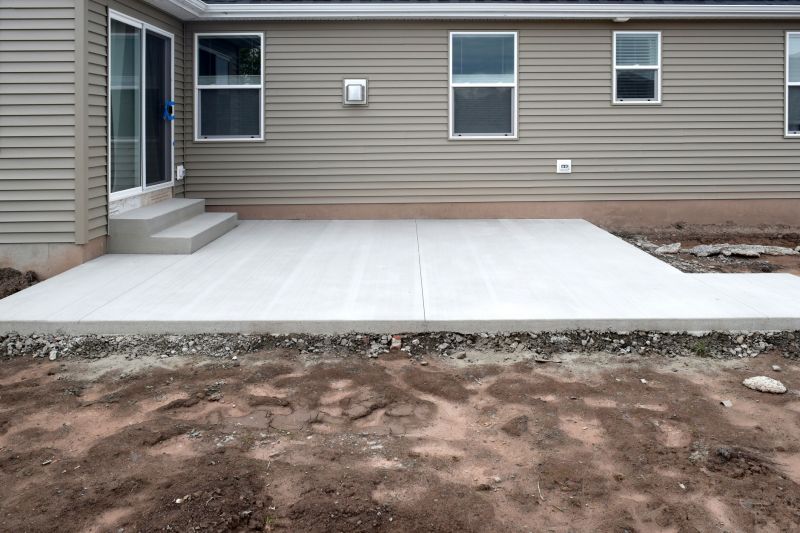
Simple add-ons that improve Residential Concrete Installations without blowing the budget.
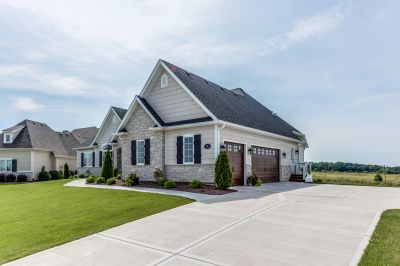
High-end options that actually feel worth it for Residential Concrete Installations.
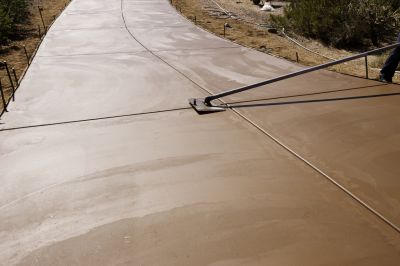
Finishes and colors that play nicely with Residential Concrete Installations.
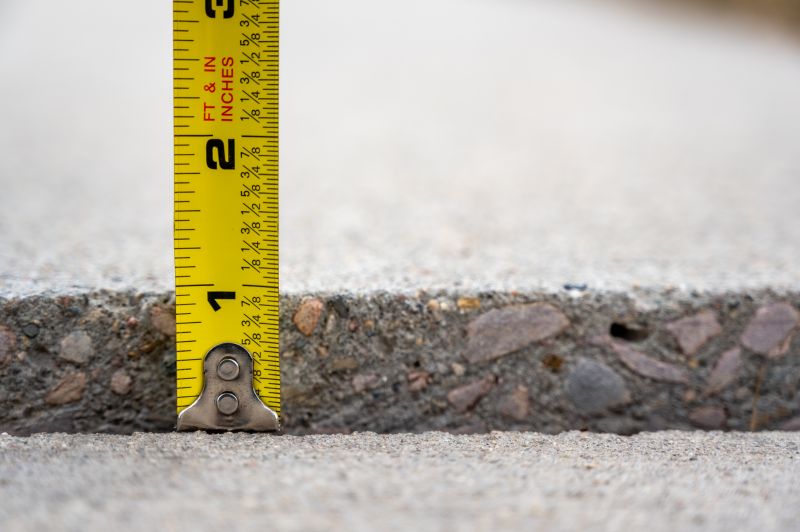
Little measurements that prevent headaches on Residential Concrete Installations day.
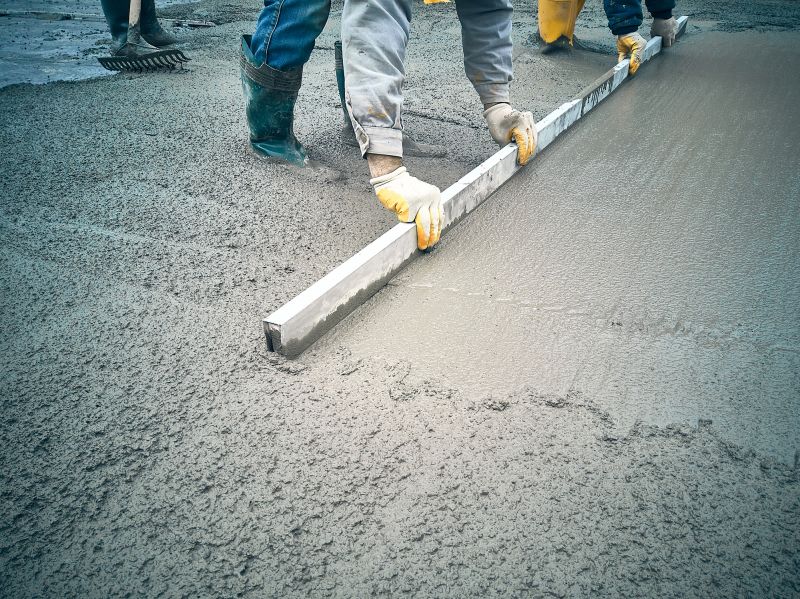
A 60-second routine that keeps Residential Concrete Installations looking new.
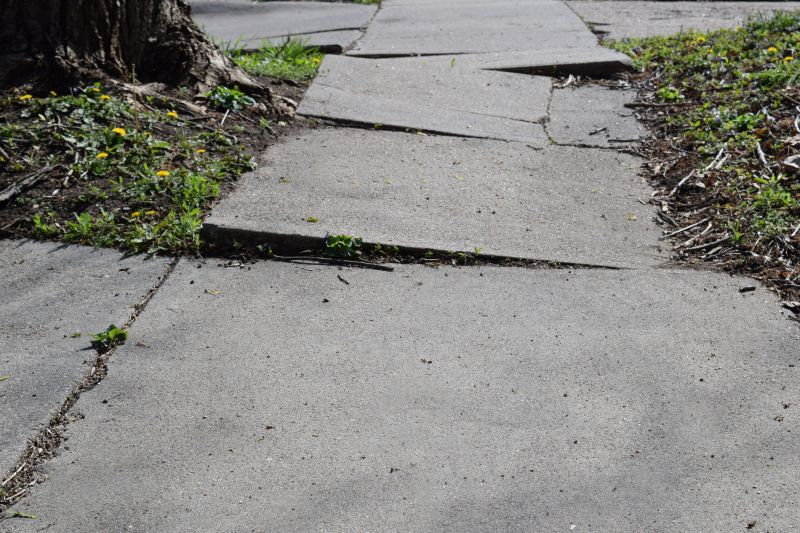
A frequent mistake in Residential Concrete Installations and how to dodge it.
Small tweaks to make Residential Concrete Installations safer and easier to use.
Lower-waste or water-saving choices for Residential Concrete Installations.
The short, realistic tool list for quality Residential Concrete Installations.