Concrete Fencing vs Traditional Fence Materials
People comparing concrete fencing vs traditional fence materials often seek durable, low-maintenance solutions, and local contractors can help determine the best option for their needs.
Property owners exploring fencing options often find themselves weighing the benefits of concrete fencing against traditional fence materials. This comparison is especially relevant for those seeking durable, long-lasting solutions that can withstand the local climate and meet privacy or security needs. Understanding the practical differences between these options can help in making an informed decision that aligns with the specific requirements of a property. Local contractors specializing in concrete fencing offer insights into how this material can provide a sturdy, low-maintenance alternative to wood, vinyl, or chain-link fences, making it a compelling choice for many property owners.
As the conversation around fencing choices continues, it’s important to consider factors like durability, maintenance, and aesthetic appeal. Concrete fencing services provided by local service providers can help property owners evaluate these aspects in relation to traditional materials. Whether the goal is enhanced privacy, security, or a sleek, modern look, local contractors can assist in exploring how concrete fencing compares and whether it might be the right solution for a particular property’s needs. Keep reading to discover more about the practical advantages and considerations involved in choosing between concrete fencing and traditional fence materials.
- Concrete fencing services are ideal for property owners seeking durable and long-lasting boundary solutions, with local contractors specializing in installing sturdy concrete barriers. When choosing between concrete fencing vs traditional fence materials, local pros can assess site conditions and recommend the most suitable option for security and privacy. Concrete fencing is often preferred in areas prone to weather damage, and local service providers have experience installing these resilient structures efficiently. For projects requiring high security or low maintenance, local contractors can provide concrete fencing that offers superior strength compared to wood or chain-link options. Those considering concrete fencing vs traditional fence materials can rely on local pros to deliver tailored solutions that meet specific durability and aesthetic needs.
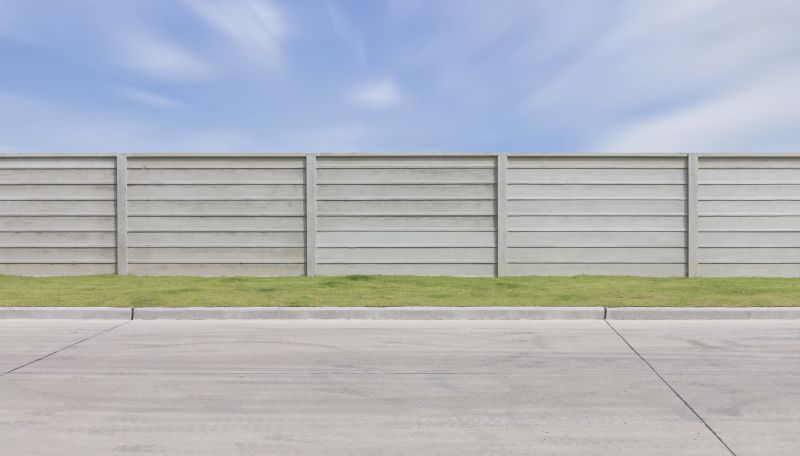
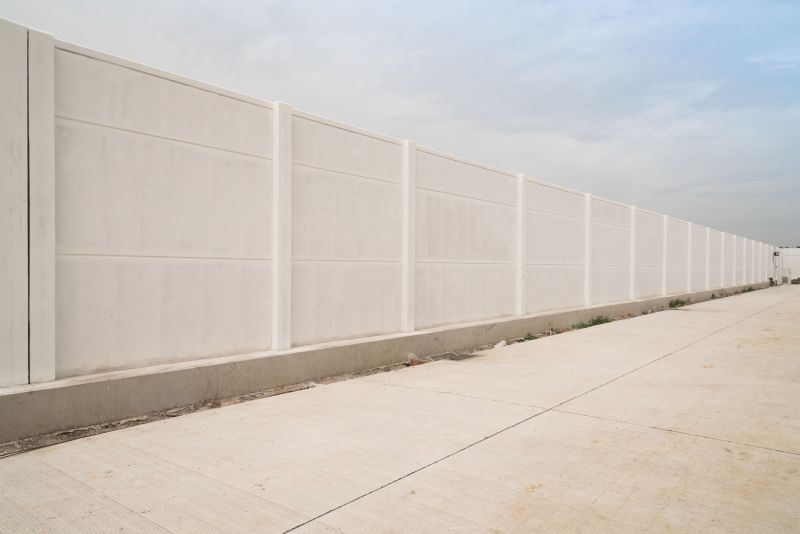
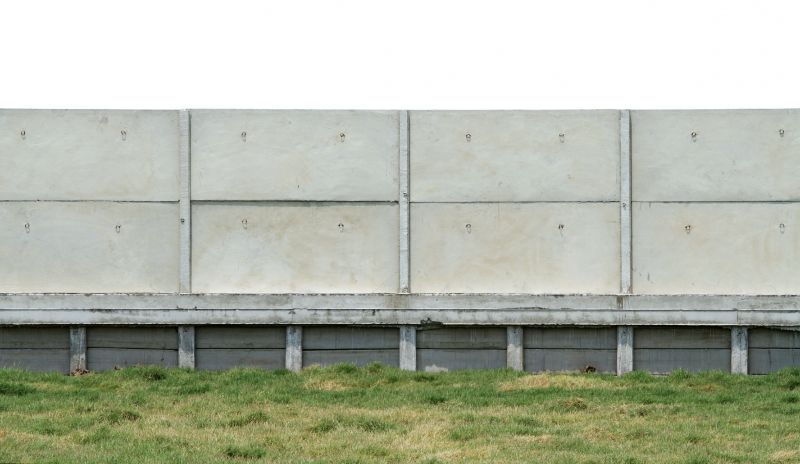
When homeowners search for information about concrete fencing versus traditional fence materials, they are often trying to understand the differences in durability, appearance, and overall performance. This comparison typically arises during planning stages for property improvements, security upgrades, or privacy enhancements. People may be considering new fencing options for a variety of reasons, including wanting a long-lasting barrier, reducing maintenance needs, or achieving a specific aesthetic. The decision often involves evaluating the pros and cons of each material type in relation to the property's location, climate, and intended use, making it essential to work with local contractors who specialize in concrete fencing and traditional fencing options.
The topic of concrete fencing versus traditional fence materials is closely connected to common property concerns such as security, privacy, noise reduction, and boundary definition. For many homeowners, the choice hinges on how well a fence can withstand weather, resist pests, and require minimal upkeep over time. This is especially relevant for properties in areas prone to extreme weather conditions or with high security needs. Additionally, property owners planning to enclose large yards, commercial spaces, or multi-family residences often explore these options to find a solution that balances strength with visual appeal. Local service providers experienced in both concrete and traditional fencing can help evaluate these factors and recommend the best approach for each specific property.
Different property types tend to prompt the comparison between concrete fencing and traditional fence materials. Residential homes with sizable yards, commercial properties, and industrial sites are common examples. For residential properties, privacy and curb appeal are often top priorities, leading homeowners to consider concrete fencing for its solid appearance and durability. Commercial properties seeking security and low maintenance might lean toward concrete, while those prioritizing aesthetic flexibility may prefer traditional wood or ornamental fences. The size, purpose, and location of a property influence which fencing material makes the most sense. Local contractors who understand the nuances of each material can assist in designing and installing fencing that aligns with the property's needs and budget.
Understanding how concrete fencing compares to traditional fence materials helps homeowners make informed decisions about their property upgrades. Concrete fences are known for their strength, longevity, and minimal upkeep, making them suitable for high-security or long-term installations. Traditional fence materials, such as wood, vinyl, or ornamental iron, often offer more design variety and can be easier to install initially. However, they may require more maintenance over time. Connecting with local contractors who have experience in both types of fencing can provide valuable insights into which material best fits a property's specific requirements. These service providers can help translate the comparison into practical choices, ensuring that the fencing solution supports the property's security, privacy, and aesthetic goals effectively.
Retaining wall construction - skills in building durable structures with concrete are applicable when working on retaining walls that complement fencing projects or provide added stability.
Landscaping and site grading - planning and preparation for fencing installations often overlap with landscaping tasks that require knowledge of soil, terrain, and structural support.
Foundation and footing installation - expertise in setting strong foundations is essential for both concrete fencing and other hardscape features like patios and walkways.
Concrete pouring and finishing - proficiency in pouring and finishing concrete is directly relevant to installing concrete fences and related structures.
Fence post setting and anchoring - experience with installing posts and anchors applies across various fencing materials, including concrete and traditional options.
Material selection and planning - understanding different fencing materials and planning their integration helps local contractors recommend suitable solutions for specific projects.
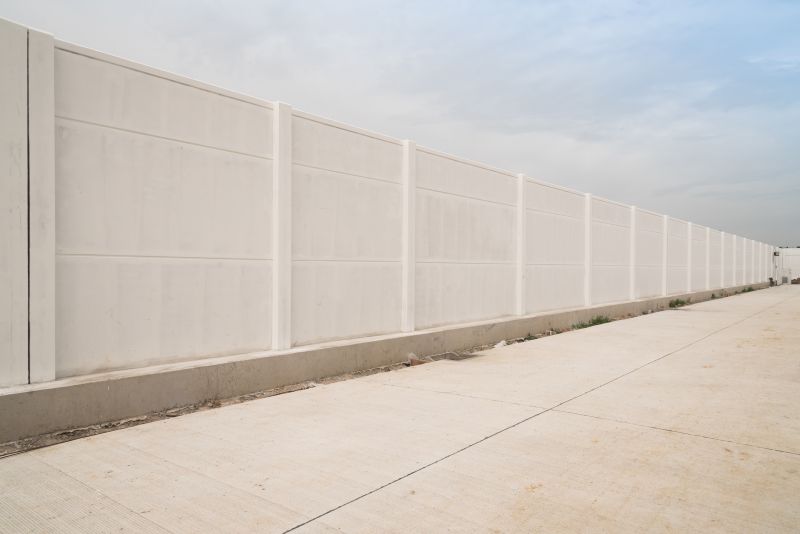
When evaluating contractors for concrete fencing services, it is important to consider their experience with similar projects. Homeowners should look for local service providers who have a proven track record of installing concrete fences comparable in scope and design to what is desired. Asking for reputable references can help verify their ability to deliver quality work and ensure they are familiar with the specific challenges associated with concrete fencing, such as foundation requirements and finishing techniques. Clear, written expectations regarding project scope, materials, and timeline can also help prevent misunderstandings and set a solid foundation for the work to be completed smoothly.
Effective communication is a key factor when comparing local contractors for concrete fencing versus traditional fence materials. Service providers who are transparent about their processes and willing to answer questions can help homeowners feel more confident in their choice. It is beneficial to observe how promptly and clearly they respond to inquiries and whether they provide detailed explanations of the work involved. Good communication also includes discussing potential issues that may arise during installation, especially since concrete fencing can involve specific technical considerations that differ from traditional fencing options.
Finally, assessing the reputation and credibility of local contractors can provide additional peace of mind. Homeowners should seek out service providers with positive reviews or recommendations from previous clients, particularly those who have completed similar projects. An established track record of professionalism, reliability, and quality workmanship can indicate a contractor’s ability to handle the unique aspects of concrete fencing and ensure the project meets expectations. By thoroughly comparing these factors-experience, clear expectations, references, and communication-homeowners can make more informed decisions when choosing between concrete fencing and traditional fence materials.
Property owners often search for concrete fencing vs traditional fence materials when they are planning practical projects around their homes and businesses. Local pros provide Concrete Fencing services for everyday jobs and straightforward project options.
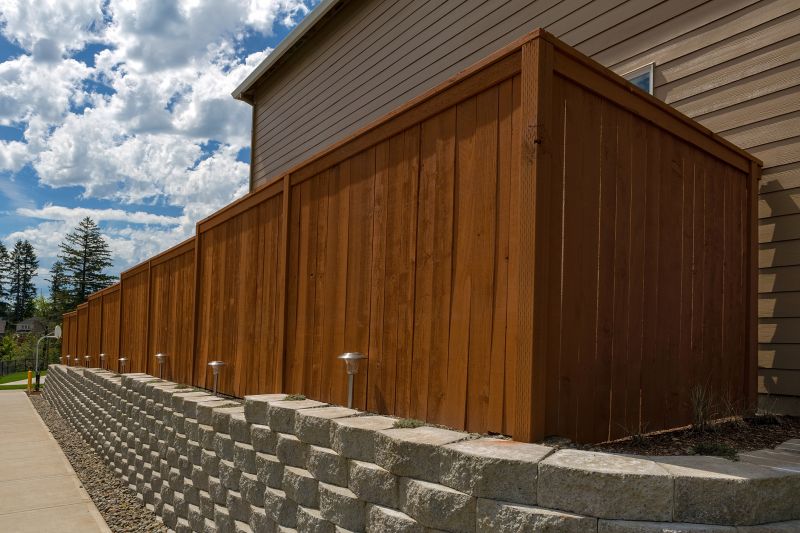
When considering fencing options for a property, many property owners in the area explore the differences between concrete fencing and traditional fence materials. Homeowners often look into concrete fencing for its durability and low maintenance, especially in areas prone to weather extremes or where long-lasting solutions are desired. Traditional fencing materials like wood, vinyl, or chain link are also common choices, valued for their affordability and ease of installation. Property owners might seek out local contractors who specialize in concrete fencing to understand how it compares in terms of lifespan, security, and overall appearance versus more conventional options.
Deciding between concrete fencing and traditional fence materials often involves weighing factors such as strength, privacy, and upkeep. Local service providers can help evaluate these aspects based on specific property needs, offering insights into how concrete fencing might provide a more permanent barrier with minimal ongoing maintenance. For those interested in a sturdy, long-term fencing solution, connecting with local contractors experienced in concrete fencing can clarify the benefits and practical considerations, making it easier to choose the right material for the property’s unique requirements.
How does concrete fencing compare to traditional wood or vinyl fences in durability? Concrete fencing generally offers higher durability and resistance to weather, pests, and rot compared to traditional wood or vinyl fences, making it a long-lasting option handled by local contractors.
Are concrete fences more secure than traditional fencing materials? Yes, concrete fencing provides a stronger, more solid barrier that can enhance security, with local service providers able to install these sturdy structures effectively.
What maintenance differences exist between concrete fencing and traditional fences? Concrete fences require less maintenance and do not need painting or staining, whereas traditional fences may need regular upkeep, which local pros can advise on based on specific materials.
Can concrete fencing be customized to match aesthetic preferences? Yes, concrete fencing can be customized with various textures, colors, and styles, with local contractors able to tailor designs to suit different aesthetic needs.
Is concrete fencing suitable for all types of properties compared to traditional fencing materials? Concrete fencing is versatile and can be installed in various property types, with local service providers able to recommend suitable options based on individual site conditions.
Durability Comparison - Property owners can evaluate the long-term resilience of concrete fencing versus traditional fence materials to determine which suits their climate and wear conditions, with local contractors providing expert insights.
Design Flexibility - Homeowners interested in customizing their fencing can explore the aesthetic options available with concrete fencing compared to traditional materials, with local pros offering design guidance and installation.
Maintenance Needs - Those seeking low-maintenance fencing solutions can consider how concrete fencing reduces upkeep compared to wood or vinyl, with local service providers assisting in planning and installation.
Installation Considerations - Property owners planning a fencing project can discuss the installation process differences between concrete fencing and traditional materials, with local contractors providing practical advice for their specific property.
If you are thinking about concrete fencing vs traditional fence materials for a property, this guide is meant to help you understand this topic, the typical project types, and how different options might fit your plans.
When you are ready, you can use the quote form on this page to share a few details about your project. From there, local pros can review the basics and follow up with options that match what you have in mind.